Swedish Regulatory Frameworks Spark Fresh Approaches to Blending Jackpot Mechanics with Mobile Live Dealer Security Protocols
Taylor Baumann · Oct 30, 2026

Swedish Regulatory Frameworks Spark Fresh Approaches to Blending Jackpot Mechanics with Mobile Live Dealer Security Protocols
Swedish regulatory frameworks continue to shape how operators combine jackpot systems with mobile live dealer platforms, and data from the national gaming authority shows steady adjustments in compliance requirements through 2026. Observers note that these rules emphasize real-time verification processes while maintaining seamless player experiences across devices. In October 2026 fresh guidelines emerged that addressed encryption standards for live video streams tied to progressive jackpot pools, creating new technical benchmarks for licensed providers.
Core Elements of the Regulatory Approach
Authorities require operators to integrate jackpot triggers directly into live dealer interfaces without compromising authentication layers that protect user sessions on mobile networks. Studies from European research bodies indicate that such integration reduces latency issues when multiple players contribute to shared prize pools during table games streamed in real time. Those who examine compliance reports find that security protocols now include mandatory multi-factor checks at the point where jackpot contributions update across servers.
Operators must demonstrate that jackpot mechanics operate within isolated modules that still communicate securely with live dealer software, and this separation helps prevent unauthorized access during high-traffic periods. Figures from industry analyses reveal that platforms meeting these standards experience fewer interruptions in mobile environments where network fluctuations occur frequently.
Technical Adaptations in Jackpot and Live Dealer Systems
Developers have responded by building API frameworks that synchronize jackpot increments with live video feeds while encrypting all data exchanges between mobile clients and central servers. Research indicates that these frameworks incorporate continuous monitoring tools that flag anomalies in betting patterns linked to jackpot events. Experts have observed that such monitoring aligns with broader requirements for responsible gaming tools embedded in the same mobile applications.
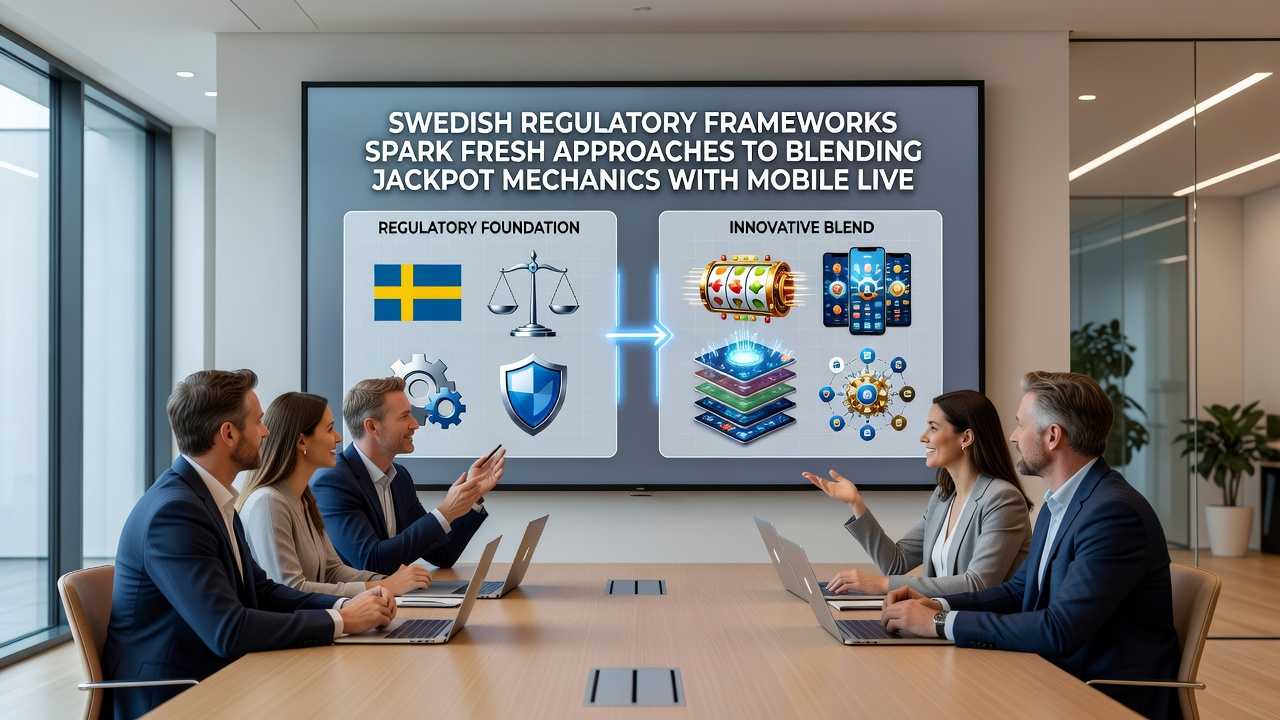
One implementation involves embedding jackpot status indicators within the live dealer interface itself so players see updates without switching screens, and this approach satisfies regulatory demands for transparency. Data shows that operators adopting these methods report higher compliance scores during audits conducted by licensing bodies. Yet the process demands careful calibration to ensure that security certificates renew automatically during extended live sessions without interrupting gameplay.
Security Enhancements and Compliance Outcomes
Regulatory updates have prompted the adoption of advanced tokenization methods for jackpot contributions that link directly to player accounts verified through mobile biometrics. According to reports from Canadian research institutions tracking similar market shifts, these methods lower risks associated with session hijacking in live environments. Operators in Sweden apply comparable techniques while maintaining compatibility with international standards that govern cross-border data flows.
Live dealer platforms now feature randomized encryption keys that refresh at intervals tied to jackpot growth milestones, and this practice stems from directives issued to prevent pattern-based attacks. Those reviewing audit summaries note that companies investing in these upgrades achieve faster approval for new game variants that blend slots-style jackpots with table game mechanics. What's interesting is how these changes also support real-time payout verification without adding visible delays for end users.
Industry Examples and Emerging Patterns
Take one licensed provider that integrated jackpot pools into blackjack streams on mobile apps while routing all transactions through secure gateways approved under Swedish rules, and compliance records show this reduced dispute rates related to prize claims. Another case involved a studio that partnered with a European gaming association to test hybrid protocols combining live dealer feeds with progressive jackpot tracking, yielding measurable improvements in session stability metrics. Data from these initiatives highlights how regulatory pressure accelerates adoption of unified security layers across different game types.
Observers point out that October 2026 saw several operators submit updated technical documentation detailing these blended systems, and early reviews suggest broader acceptance of standardized testing procedures for mobile environments. Industry organizations have begun sharing best practices that focus on maintaining jackpot integrity during peak live dealer hours without compromising video quality or connection speeds.
Conclusion
Swedish frameworks continue to influence how jackpot features merge with mobile live dealer security by setting precise technical and operational expectations that operators must meet. Evidence from compliance data and technical reports demonstrates measurable progress in system reliability and player protection measures. As platforms refine these integrations further, the emphasis remains on verifiable security that supports both innovation and regulatory adherence across evolving mobile landscapes.